
 Posted by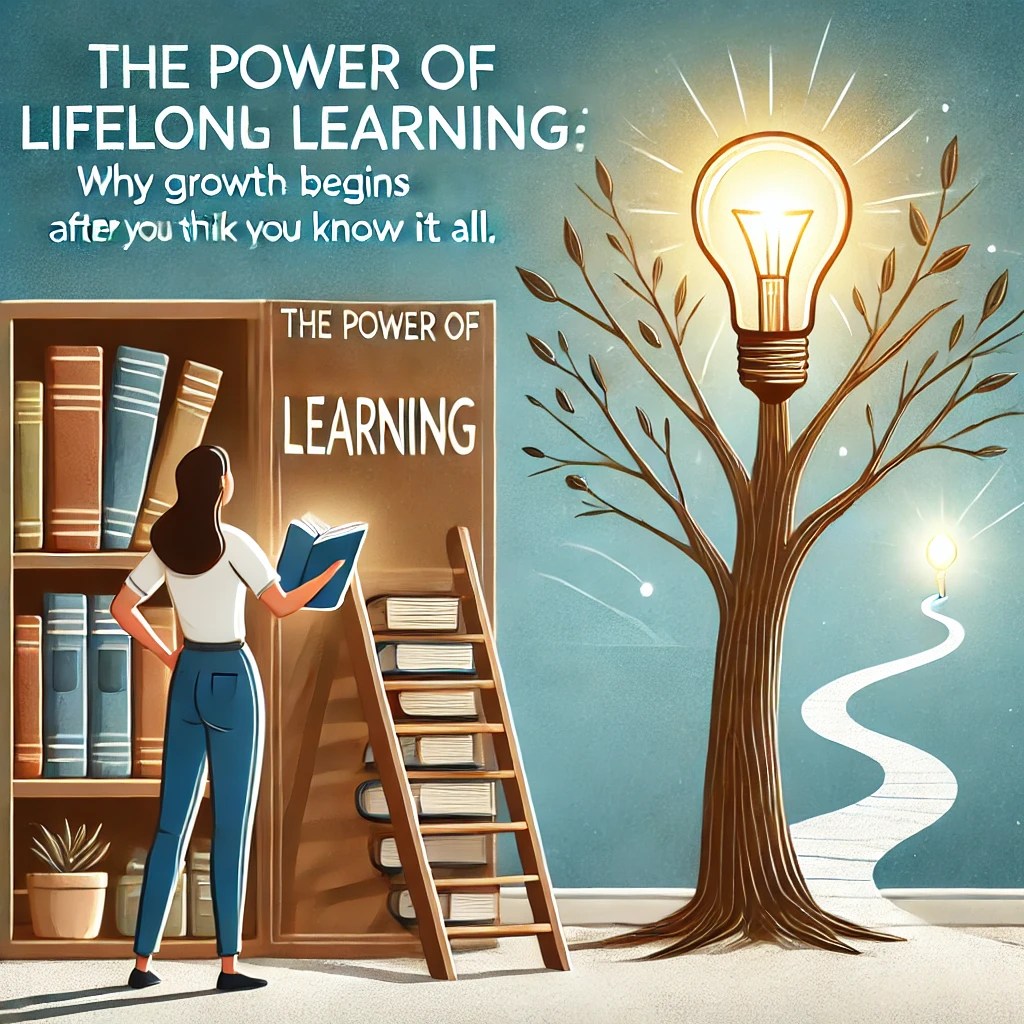
For more information, visit OpenAI’s website.
One of my favourite quotes by John Wooden is the quote that says: “It’s what you learn after you know it all that counts.” This is a powerful idea that challenges you to keep an open mind. It challenges you to seek out learning opportunities even after you believe you have learned everything you need to know.
I was at a District 60 Toastmasters training event this afternoon and one of the attendees asked about how he could motivate himself to keep working towards his next DTM (Distinguished Toastmaster) award. He mentioned he has been a Toastmaster for many years and was not sure how to motivate himself to keep going.
I liked what the presenter had to say in response to this question. He suggested that this person could work towards his next projects with a focus on the other members of his club. Another idea the presenter suggested was that this member could ask his fellow club members to challenge him with ideas to use for his next Toastmasters projects. Instead of coming up with project ideas on his own, he could seek out ideas from other members for what he could do for his projects.
This is a great idea for how you can learn from others when you are stuck and think you have nothing left to learn. I also like the idea of focusing your learning journey by working with and supporting others. Other people will have different perspectives that you can learn from, and they may see things differently than you do. This can give you new ideas and approaches to try in your learning journey.
Three things that I will explore in this article are that growth never stops, humility fuels progress, and adaptability is key to success. True mastery comes from continuously expanding your knowledge, questioning assumptions, and embracing new perspectives. The belief that you have nothing left to learn can lead to stagnation. Staying open to learning opportunities, feedback, and change allows for ongoing personal and professional growth.
Finally, adaptability is key to success. In a rapidly evolving world, those who continue learning remain relevant and innovative. Lifelong learners stay ahead by seeking new skills, exploring different viewpoints, and challenging their own expertise.
Growth Never Stops
There’s always more to learn. No matter how much experience or knowledge you have, new insights, skills, and perspectives can always expand your understanding. Continuous learning keeps you sharp and evolving.
Consider Toastmasters as an example. If you have completed your learning pathway in Toastmasters, this does not mean your journey is over. You can step up to serve as a club or district officer to continue your learning journey. If you have already served as an officer, try out a different officer position from the one you served in. Or repeat another year in the same role with a new set of team members. You could also start a second learning pathway to learn new skills.
Working with other people is a great way to learn, especially when you have opportunities to work with different teams of people. Different people have different perspectives, and you can learn from those perspectives. Working with other people also challenges you to learn and adapt so you can work effectively with those people.
When it comes to learning, complacency leads to stagnation. Believing you’ve learned everything can hold you back. Staying curious and open to new ideas ensures ongoing personal and professional development. If you are stuck and are not sure what else you can learn, seek out a mentor or someone else you can learn from. Or ask a friend or a colleague what you can do to learn more.
Every experience is a learning opportunity. Growth doesn’t just come from formal education; it happens through everyday experiences, challenges, and interactions. Viewing life as a continuous learning journey leads to greater adaptability and long-term success.
Humility Fuels Progress
Openness to learning enhances growth. A humble mindset allows you to acknowledge that there’s always room for improvement. By staying receptive to new knowledge and feedback, you create continuous opportunities for growth.
Being open includes being willing to see things from other people’s perspectives. It includes being open to feedback and acknowledging that your way is not the only way. In Toastmasters we learn to be better public speakers by receiving evaluations for our speeches. This is a great way to learn from other people, and you can always seek feedback from other people outside of Toastmasters as well.
Recognizing limitations leads to strength. Admitting that you don’t have all the answers fosters self-awareness and encourages collaboration. Seeking insights from others helps you refine your skills and make better decisions.
For example, you don’t have to know all the answers and it helps to admit when you don’t know the answer. This gives you the opportunity to tap into the knowledge of other people if you seek help in getting to know the answer. You can also promise to research the question or the problem to learn the answer when you don’t have the knowledge or experience required.
Humility builds stronger relationships. Leaders and professionals who remain humble gain respect and trust from others. Being open to different perspectives and valuing input from those around you fosters teamwork, innovation, and long-term success.
Adaptability is Key to Success
Being able to adapt to changing circumstances in your life helps you to learn and grow. You can do this by embracing change, which opens new opportunities. This ability to adapt allows you to navigate shifts in your career, industry, and personal life. Those who embrace change see challenges as chances to grow rather than obstacles to overcome.
Being adaptable also means be willing to try new things or being open to changing how you do things. If you resist and always stick with the same approach, you may not learn new or better ways to tackle the problems or situations in your life.
Learning new skills keeps you relevant. In a constantly evolving world, staying adaptable means continuously acquiring new knowledge and skills. This ensures you remain competitive, innovative, and prepared for future opportunities.
For example, at work I have been forced to learn web development as a computer programmer. This was not easy because it is very different from desktop software development. However, I accepted the challenge, and I have learned a new way to develop software, and this has increased my skillset.
Adaptability also leads to resilience. The more adaptable you are, the easier it is to recover from setbacks. Instead of feeling stuck when things don’t go as planned, adaptable individuals pivot, find solutions, and keep moving forward toward success.
I have learned that you need to focus on finding solutions versus being dragged down and discouraged by the problems you face in life. This means seeing the opportunities in the problems you are facing, instead of focusing on the negatives and how the problems impact you.
Conclusion
I want you know that growth never stops. No matter how much you know, there is always more to learn. True mastery comes from continuously expanding your knowledge, questioning assumptions, and embracing new perspectives.
A second take away is that humility fuels progress. The belief that you have nothing left to learn can lead to stagnation. Staying open to learning opportunities, feedback, and change allows for ongoing personal and professional growth.
Finally, adaptability is key to success. In a rapidly evolving world, those who continue learning remain relevant and innovative. Lifelong learners stay ahead by seeking new skills, exploring different viewpoints, and challenging their own expertise.
As John Wooden says: “It’s what you learn after you know it all that counts.”